
What this covers
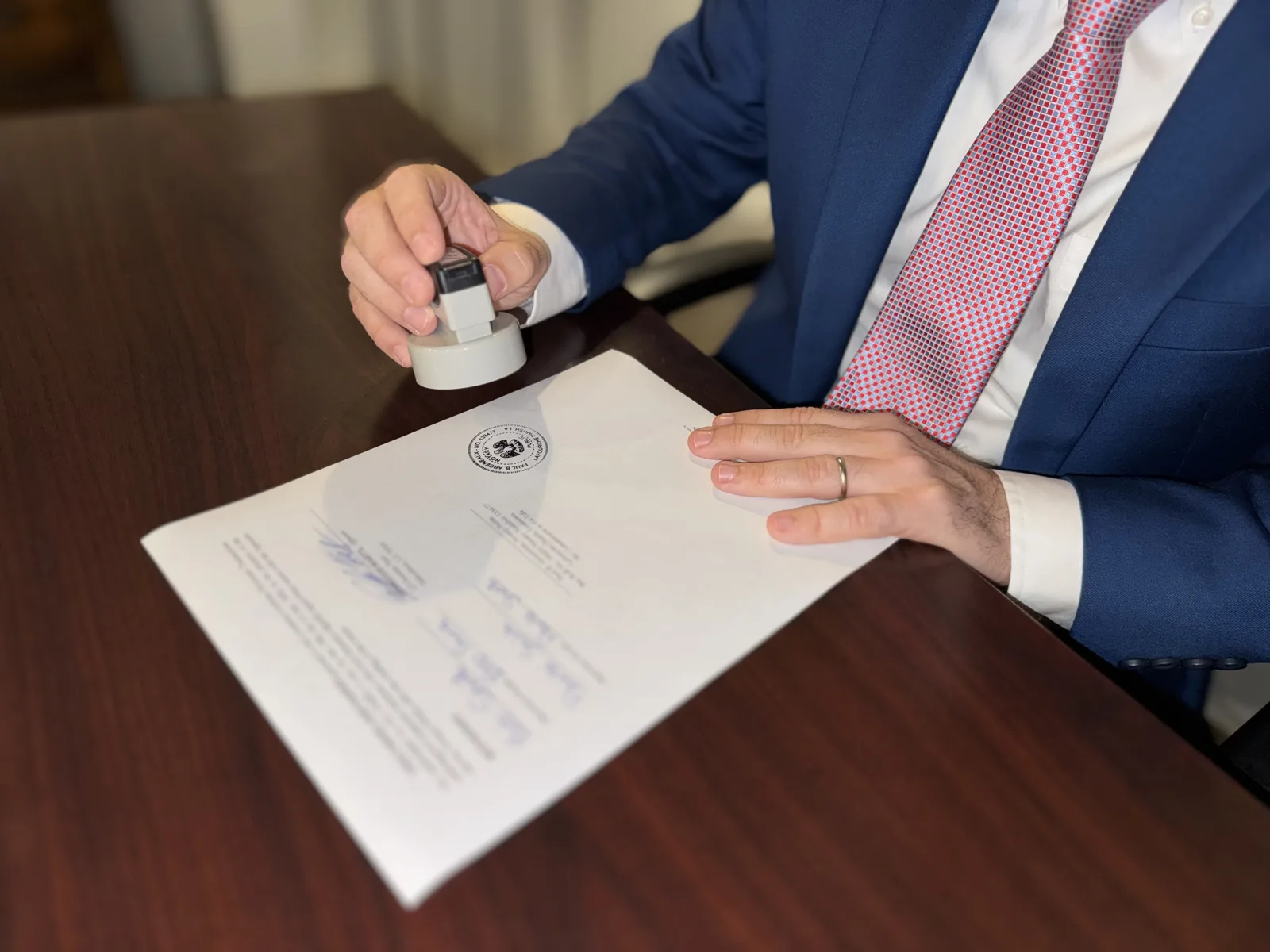
A small succession affidavit is a sworn document that identifies the person who died, their heirs, and the property being transferred. It is signed before a notary rather than filed as a court proceeding. Louisiana Code of Civil Procedure article 3421 sets the threshold: a gross estate of $125,000 or less, valued as of the date of death, for a person domiciled in Louisiana. Article 3431 then lists the situations, most commonly an estate with no will, in which the succession does not have to be opened judicially.
The affidavit route is genuinely simpler, but it is not automatic. The gross value has to be assembled honestly, the heirs have to be correctly identified under Louisiana's intestacy rules, and if a house or land is involved the affidavit is recorded in the parish conveyance records and becomes part of the title going forward. A mistake there resurfaces years later when the family tries to sell or refinance.
We review the estate first and tell you plainly which path fits: affidavit, or a full Louisiana succession. If the affidavit fits, we prepare it, gather the signatures, and handle the recording. Because Paul is also a CPA, the tax and basis questions that follow an inheritance are answered in the same conversation instead of being handed off.
Common questions
- What is a Louisiana small succession affidavit?
- It is a sworn affidavit that transfers a deceased person's property to their heirs without opening a succession in court. Louisiana law allows it for estates that qualify as a small succession, and banks, title companies, and the state generally accept a properly prepared affidavit as proof of who now owns the property.
- What estate value qualifies as a small succession?
- Louisiana Code of Civil Procedure article 3421 defines a small succession as the estate of a person who died domiciled in Louisiana leaving property with a gross value of $125,000 or less as of the date of death. The article also covers the Louisiana property of someone who died domiciled elsewhere, and successions of people who died at least twenty years ago.
- Can the affidavit be used when there is a will?
- Sometimes. Article 3431 lists when a small succession does not have to be opened judicially. Intestate estates, where there is no will, are the most common. A testate estate can qualify in narrower circumstances, so the will and the property involved have to be reviewed before the affidavit route is chosen.
- Who has to sign the affidavit?
- For an intestate small succession, at least two people must sign under oath, including the surviving spouse if there is one and one or more heirs. The affidavit identifies the decedent, the heirs and their relationship, the property and its value, and it is sworn before a notary.
- Can the affidavit transfer a house?
- Yes, for a qualifying intestate small succession, immovable property can now be transferred by affidavit and the affidavit is recorded in the conveyance records of the parish where the property sits. Because a recorded affidavit becomes part of the chain of title, this is the part families most often want reviewed before filing.
- What does the tax side look like?
- Small does not mean simple. A final individual return may still be due, retirement accounts and inherited property carry their own reporting, and the basis of assets matters later when heirs sell. Paul is an attorney and a CPA, so those questions are handled in the same conversation.